In November, magnesium prices fluctuated rangebound within the price range of 16,000–16,300 yuan/mt, with the average price for the month at 16,122 yuan/mt, down 1.0% MoM.
In early November, driven by the early release of winter stockpiling demand, coal prices rose sharply, and magnesium prices bottomed out with cost support. However, insufficient follow-through from downstream demand, coupled with a pullback in coal prices, weakened the cost support effect. Primary magnesium smelters, facing increased inventory pressure, had to promote transactions by lowering prices, leading to a gradual fluctuate downward trend in magnesium prices. By month-end, favorable market factors had nearly dissipated, and magnesium prices continued to decline, with the transaction center pulling back from around 16,350 yuan/mt to near 16,000 yuan/mt.
Review and Forecast of Magnesium Market Production in November
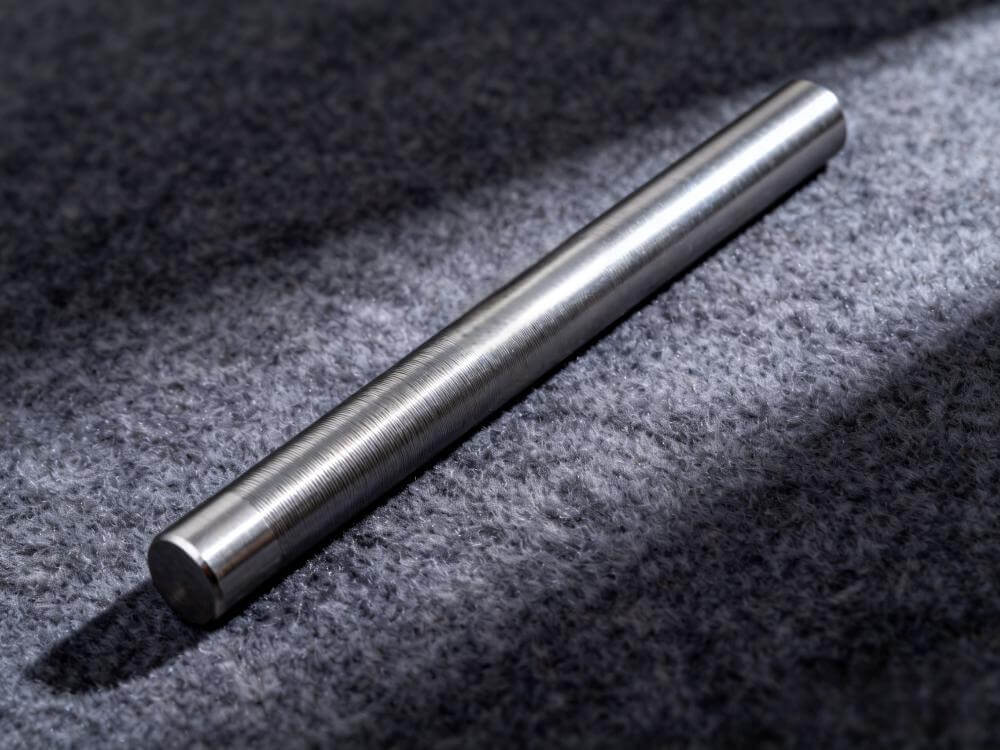
According to SMM data, China's primary magnesium production in November 2025 increased 7.74% MoM, and the operating rate rose to 75.89%.
Enterprise Operating Status: The sample of primary magnesium smelters this month totaled 60 enterprises, with two new sample enterprises added. The number of operating primary magnesium smelters in the statistics increased to 57 in November, and the operating rate of enterprises currently included in the statistics rose to 75.89%, showing a significant increase.
Reasons for Production Growth: Primary magnesium production increased 7.74% MoM in November, indicating steady growth. First, the increase in the number of sample enterprises contributed to the production data growth; both primary magnesium smelters were enterprises that resumed production in H2 this year, with one currently operating at 50% capacity and the other at full capacity, both producing according to plan. Second, primary magnesium smelters increased their operating rates, leading to higher production data. Since October, enterprises in Shaanxi, Ningxia, Inner Mongolia, and other regions started production due to policy factors or internal company reasons. As adjustments were completed, daily production increased slightly at some enterprises. Primary magnesium production is expected to continue growing in December, with slight increases anticipated in Ningxia, Xinjiang, and other provinces. Full-year 2025 primary magnesium production is forecast to exceed 1 million mt.
SMM data shows that China's magnesium alloy production in November 2025 increased 2.53% MoM, up 31.49 YoY, with cumulative growth up 11.89% YoY. The operating rate for magnesium alloy production rose to 71.37% in October.
Magnesium alloy production grew rapidly in November, up 2.53% MoM. Although supply tightness in the magnesium alloy market eased compared to October, inventory generally remained inverted, with most manufacturers maintaining order-based production and spot supply remaining tight. The core reasons for production growth were demand boost and supplemental demand for magnesium ingot supply. Leading alloy manufacturers operated at full capacity, and newly resumed producers in Inner Mongolia, Shaanxi, and other provinces maintained stable production at low operating rates, contributing to the continued growth trend in magnesium alloy production. Meanwhile, driven by demand, the volume of toll processing orders in Guangdong rebounded, leading to a slight increase in local recycled magnesium alloy production, which somewhat alleviated the tight supply in the magnesium alloy market.
Based on the current market situation, magnesium alloy production is expected to rise going forward. Most manufacturers have scheduled orders extending to mid-early December, and tight spot supply will continue to boost capacity release. Enterprises in major producing regions such as Anhui and Shanxi will maintain full-capacity operations, while newly resumed plants in Inner Mongolia and Shaanxi are expected to further ramp up production, providing solid support for output growth.
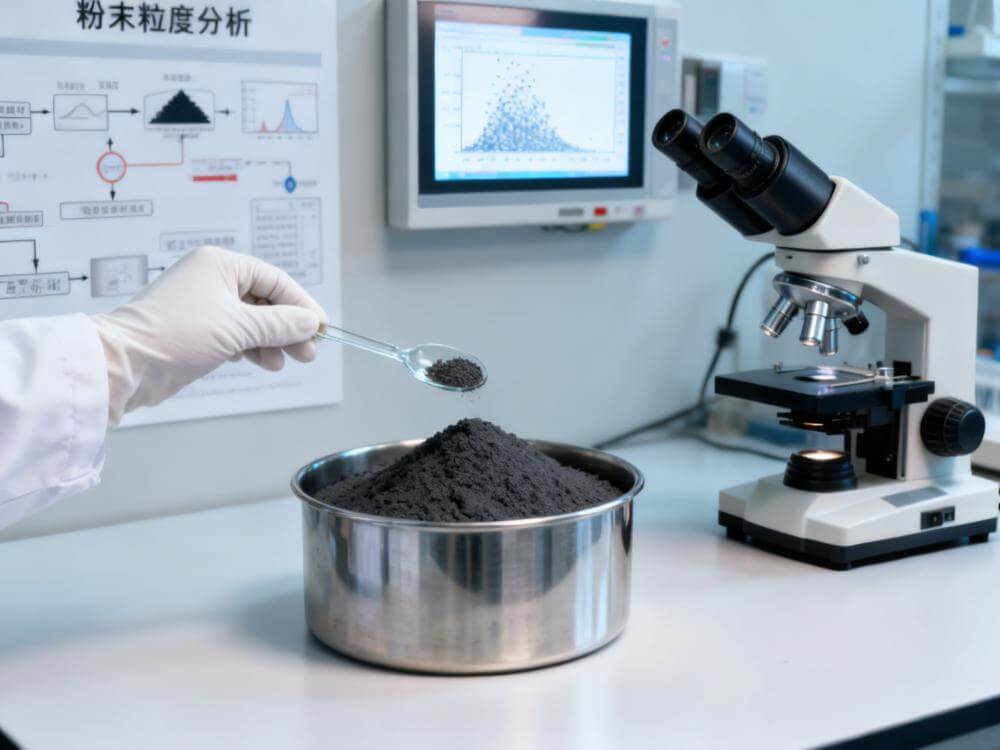
According to SMM data, China's magnesium powder production in November 2025 increased by 13.45% MoM, with the operating rate rising to 49.88%.
Magnesium powder output edged up in November. The metallurgical sector remains the largest traditional consumer of magnesium powder. Although procurement demand from domestic steel enterprises remains sluggish, demand from nodular cast iron and special steel production is stable, keeping the magnesium powder demand base relatively steady. Moreover, due to year-end production plans and inventory cycles, raw material restocking is concentrated, and this rigid demand, combined with foreign trade orders, further amplified the scale of magnesium powder stockpiling for export in November, thereby boosting domestic magnesium powder production and operating rates significantly.
Market Outlook
Supply side: The operating rate of sampled primary magnesium enterprises rose to 75.89% in November. With rates expected to increase further in December, primary magnesium output is projected to continue growing, and total 2025 production may exceed 1 million mt, significantly increasing supply pressure.
Demand side: Magnesium alloy demand, boosted by downstream sectors, saw production increase by 2.53% MoM in November, with manufacturer orders scheduled until mid-early December and spot supply tight. Magnesium powder production rose 13.45% MoM, supported by export orders and year-end restocking demand, lifting operating rates. However, overall demand growth still lags behind supply, and the supply-demand pattern of stronger supply and weaker demand is unlikely to reverse in the short term.
Price aspect: Magnesium prices face significant pressure, but rising winter coal demand supports coal prices, limiting downside room for magnesium prices. Magnesium prices are expected to fluctuate rangebound in December, with controllable downside risks.